Kathleen Mulcahy—A Fine Intoxication: Gathering Glass
May 1 – July 31, 2026
Kathleen Mulcahy is an award-winning Pittsburgh-based glass artist and co-founder of Pittsburgh Glass Center whose work captures fleeting, emotional moments in nature—especially water—through luminous, sculptural glass. Inspired by her early connection to the sea and a transformative encounter with molten glass, she creates pieces that balance beauty with urgency, reflecting on environmental fragility, human connection, and global tensions.
Guided by a belief in art’s power to build community, Mulcahy helped realize Pittsburgh Glass Center as a space where artists and the public converge, extending her practice beyond the studio to shape both cultural dialogue and collective experience.
Also featuring works by PGC co-founder Ron Desmett

About the Exhibition
I have always been inspired by nature whether I’m on a river or near the vastness of the ocean waters. I’m not imitating nature but trying to pause a moment, a millisecond of thought and go deeply into the image through specific strategies using glass! My musings take on a sense of soul washings, clearing and cleansing. I allow a kind of sound in my mind to emanate from the work.
Water is becoming a delicate fast depleting resource.
I want my work to literally shine a light on water. Water contains the potential of giving of life with many layers of meaning impacting our lives.
More recently I spent a short time in the boundary waters in Minnesota. I passed through a number of very lush water lily areas. I note here that there is a 70% decline in birds. I have this feeling that as I live there is a steep decline of natural resources, water being one. I am painfully aware of this decline in the richness of water that was/is thoroughly healthy, lush, vibrant.
I think there is a collision in my work between beauty, earth’s resources and politics. The new work titled “Ми українці” (translation: We Are Ukrainian) for example calls into question our relationship to humanity, to each other. There is certainly a clash of beauty and humanness. Who are we in these crushing moments where one nation is transgressing another. Who are we when we can’t live in peace.
I saw those water lilies in my mind’s eye as bright yellow with a deep blue center which happens to be the national colors of Ukraine. Then I understood the dream. I’m thinking of the commonness or the connectedness of people throughout the world. That is exactly what Ron and I followed in our path to create the glass center. Even on this small scale of a glass center in a community, we made a difference in the lives of people who came to us. Of course, it made a beautiful difference in our own lives as well.
I believe all my work reminds us of that beauty which is fast dissolving. Glass in its purity can speak to the heart of the matter and essentially for me it is a fine intoxication.
—Kathleen Mulcahy
You can’t talk about Ron without talking about Kathleen or vice versa. The two were an unbeatable team for almost 40 years. Talented artists, they co-founded the Pittsburgh Glass Center, accomplishing what no one believed possible, a thriving arts center. Appropriately they were honored together as Artists of the Year in PA in 2013–14. Yet as much as they worked and lived together, sharing a creative vision, they were individuals pursuing their own paths.
In their own ways, each changed how we think about glass by bringing together disparate components: art and glass, fire and ice, ephemeral and concrete, tangible and liminal, the ordinary and the beautiful. Each of their individual pieces fuse the usually separate spheres of art and glassmaking, an act of liberation in a world where the very specificity of definitions creates separation instead. As the poet Rilke wrote: “For beauty is nothing but the beginning of terror, which we can still barely endure, and while we stand in wonder, it serenely disdains to destroy us. Every Angel is terrible.”
Ron Desmett’s work exudes power in sculptural forms that challenge us with their physical presence. His unexpectedly large, frequently solid black vessels stand out in the art world. He seems to deny the very qualities of glass that make it magical, though some might argue that his darkness accesses a black magic or alchemy infused with an inescapable beauty. As Rauschenberg said about his black or white paintings, they “are either too full or too empty to be thought—thereby they remain visual experiences,” challenging as physical objects while somehow emanating an air of mystery. His bodies are obstinate, refusing to budge while unlocking unexpected flights of fancy.
Kathleen Mulcahy’s work is seductive as an inventive mastery of various glass-making techniques. This is intrinsic to her sophisticated conceptual grounding that encompasses references to the body and its breath, the fluidity and magic of nature and water, the relationship between presence and absence, and an illumination that can be spiritual and/or physical. Put together in her innate creative practice, these qualities are embedded in objects that elicit a sense of wonder and unlock ineffable and indefinable associations and states of being. Simultaneously they can be grounded in the everyday world as seen in her newest magical mapping of the reality of Ukraine.
The work of both artists has grown by challenging traditional techniques and the meaning of glass just as their work to create an internationally recognized glass studio and exhibition space in Pittsburgh was a dauting challenge. Succeeding at both has been a miraculous accomplishment for the talented couple. As artist Tanya Aguiñiga reminds us, “art can offer different ways of getting to an answer. It can offer different possibilities, generative space, and power over your own identity” or as Edgar Degas said “art is not what you see, but what you make others see.”
—Vicky A Clark
About Kathleen Mulcahy
Kathleen Mulcahy is a Pittsburgh-based glass artist and co-founder of Pittsburgh Glass Center. Her work is inspired by nature particularly by water. She grew up near the Jersey shore where walking the coastline in winter made her fall in love with the sea. Upon seeing molten glass being gathered from the furnace like honey she was immediately drawn to its malleability and its beauty.
“Glass,” she says, “is the verb of my work revealed through the primal form of a drop.”
Her glass drop installations incorporate bent and etched plate glass on patinaed or textured steel. As an avid kayaker, she experienced a moment that changed the direction of her art. A storm came upon the river suddenly. In its wake it left her with a moment of pure joy, of wonder, that she works to recreate in her drop installations. Her inspiration, drawn from the natural world – water and rivers, often titled after excerpts from poems exploring the boundaries and freedoms that affect relationships; people to people and people to nature. Nature is the reflection point of her work. Kathleen pushes the limits of the medium, merging sculpture with craft to create masterful works in glass and metal.
Learn more at www.kathleenmulcahy.com.
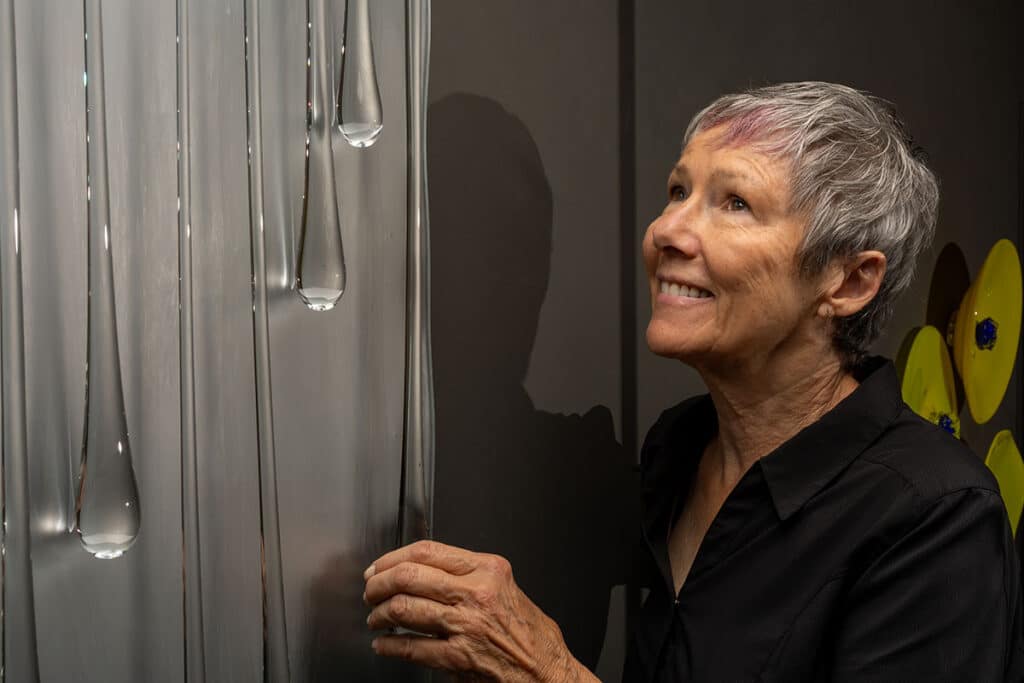
Richard Kelly Photography
The Founding of Pittsburgh Glass Center
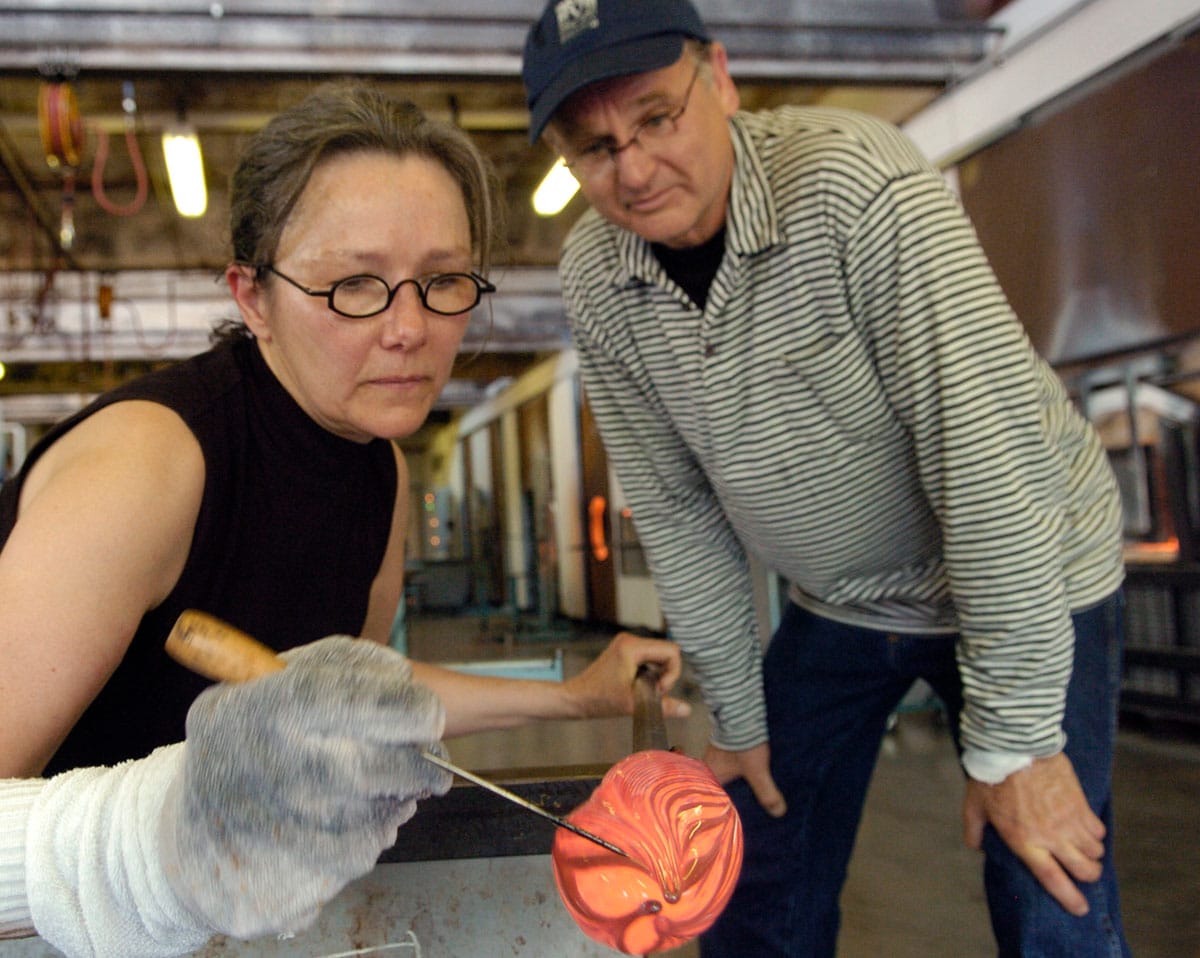
Pittsburgh Glass Center (PGC) was founded by local glass artists Kathleen Mulcahy and the late Ron Desmett (1948–2016), who shared a vision in the early 1990s: create an innovative glass art center that would cultivate community, foster economic growth, and thereby change the city. They’d seen how the power of art drove revitalization in decaying neighborhoods in New York City and northern New Jersey. They wanted that same positive dynamic for Pittsburgh. As passionate glass artists working in Pittsburgh, Desmett and Mulcahy envisioned a place that would attract top artists but also welcome the novice artist and non-artists intrigued by glass.
They worked for 12 years to bring the people together who would help make their dream a reality, including artists, foundations, community members, and glass enthusiasts.
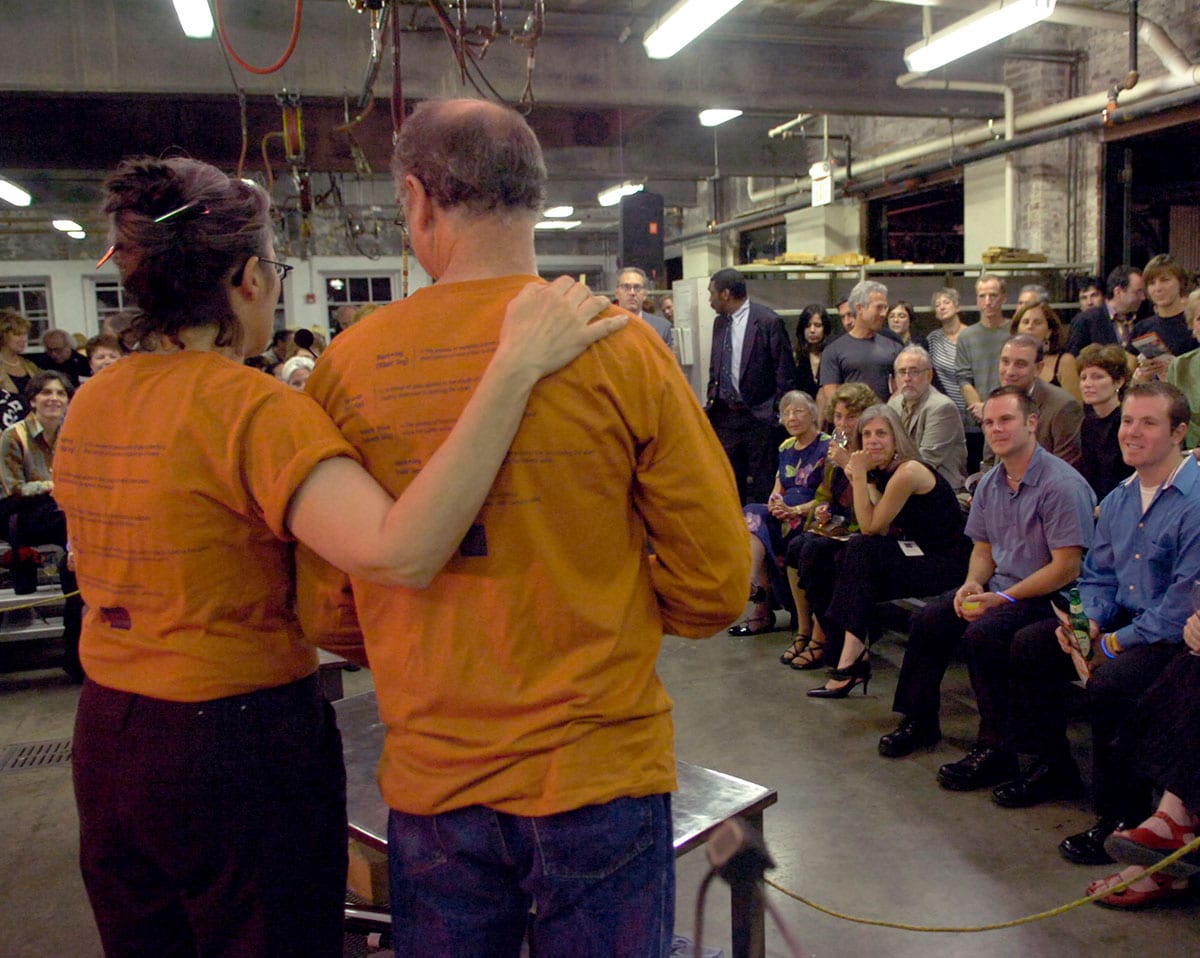
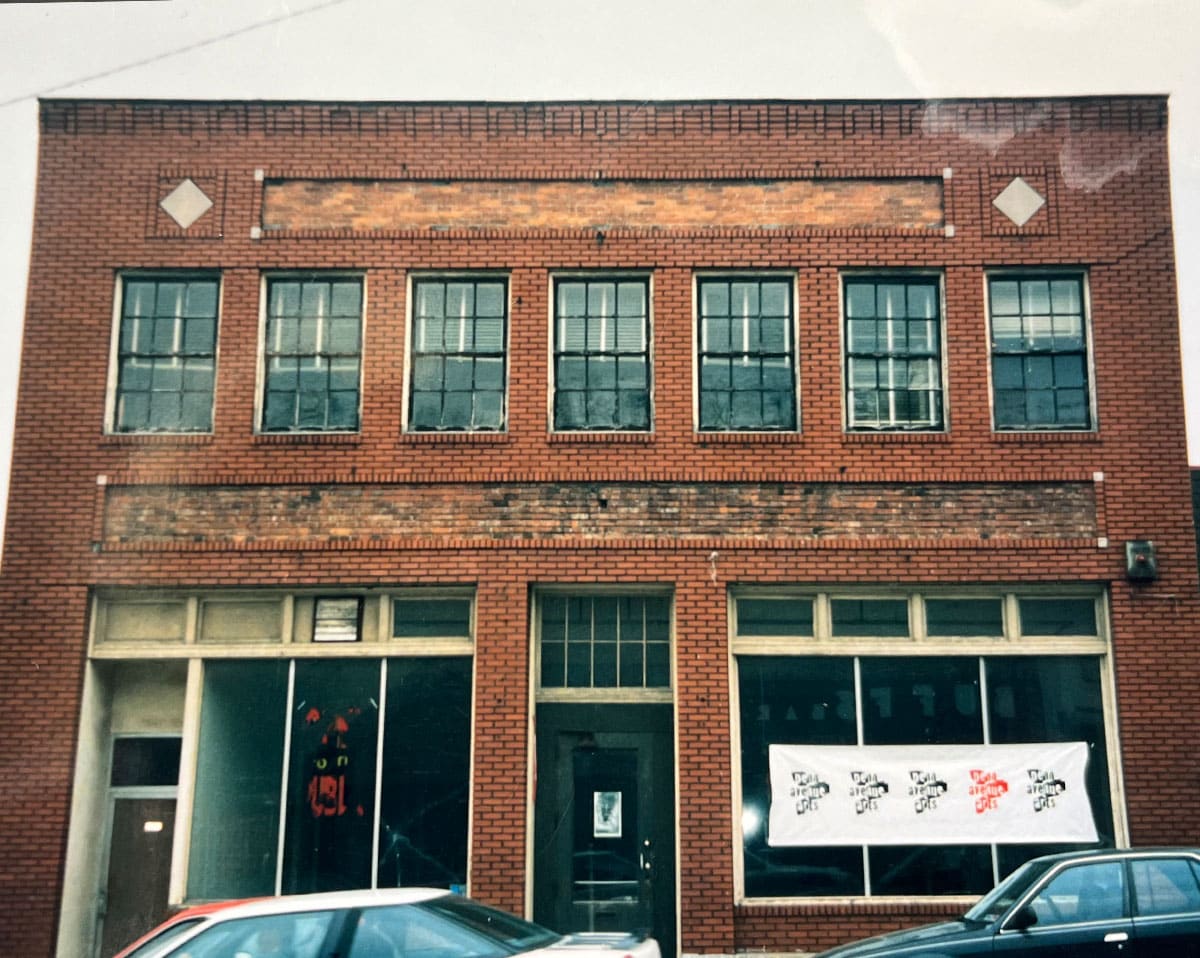
With the help and support of the Urban Redevelopment Authority, Friendship Development Associates, and Bloomfield-Garfield Corporation, their vision was realized in 2001 when the Pittsburgh Glass Center opened its doors to the public. Since then, PGC has educated more than 750,000 individuals, contributed to the ongoing development of the city’s East End, and made Pittsburgh a significant hub in the international studio glass community.
EXHIBITION RESOURCES
This exhibition is part of Handwork 2026, Craft in America’s nationwide semiquincentennial collaboration showcasing the importance of the handmade and celebrating the diversity of craft that defines America.

This exhibition was made possible with support from
The Fine Foundation, Dr. Karl Salatka, and the Art Alliance for Contemporary Glass.

Dr. Karl Salatka